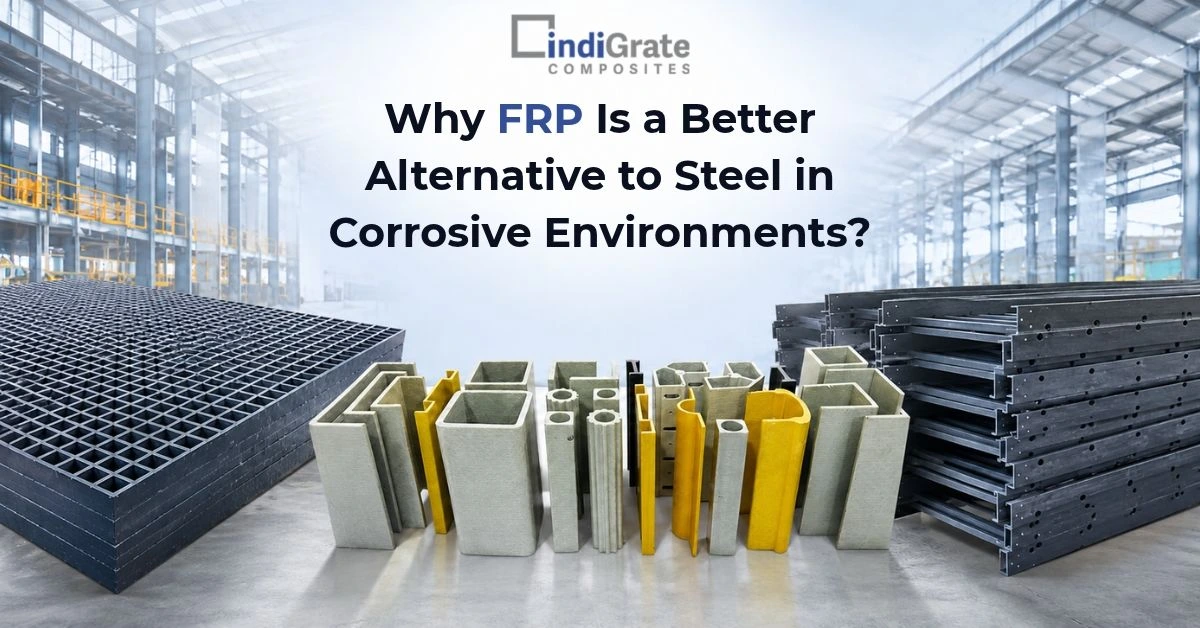
Use FRP, Beat Corrosion


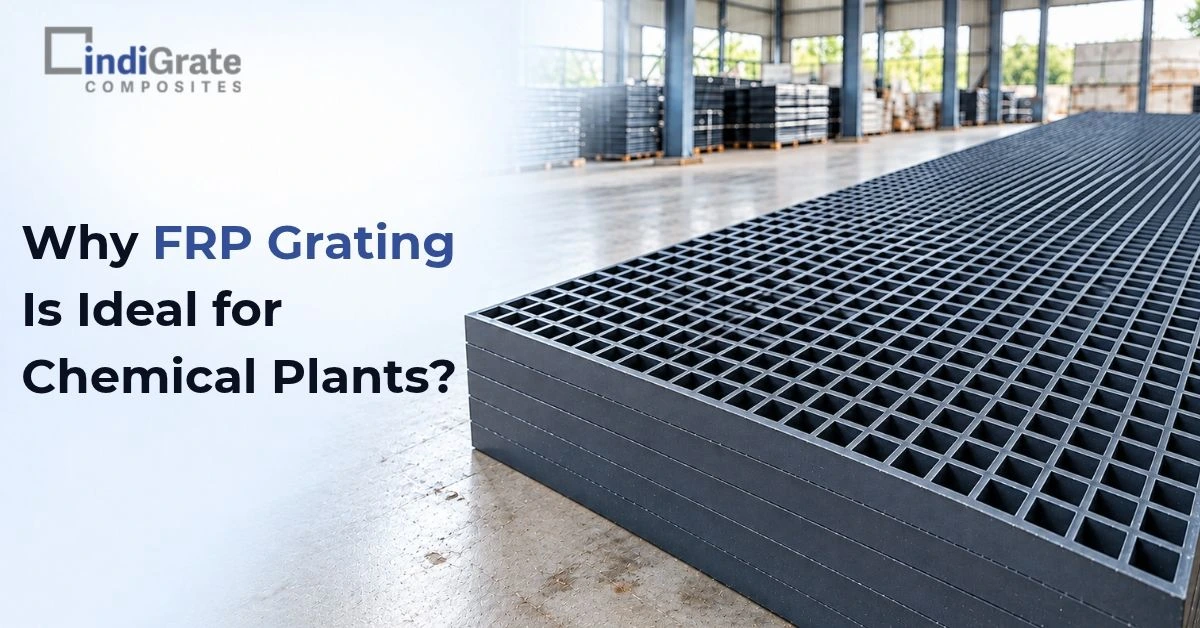
Chemical plants operate in environments where flooring and access systems are regularly exposed to moisture, chemical splashes, fumes, and demanding working conditions. Conventional steel grating can corrode when its material and protective coatings are unsuitable for the surrounding chemicals. Over time, this can increase inspection requirements, maintenance costs, and safety concerns.
Choosing an appropriate flooring material helps maintain safe access around processing equipment, storage tanks, pipelines, and maintenance platforms. In these areas, FRP Moulded Grating offers an alternative to conventional metal grating because it combines glass-fibre reinforcement with a resin matrix designed to provide strength and resistance to selected corrosive substances.
However, not every FRP grating suits every chemical environment. Resin compatibility, operating temperature, loading requirements, and surface design all influence performance. Understanding these factors helps plant operators select a grating system that meets their site’s safety and operational requirements while reducing corrosion-related maintenance.
Why Corrosion Resistance Matters in Chemical Plants?
Chemical exposure can gradually damage steel grating, particularly when protective coatings deteriorate or maintenance is delayed. Corrosion may weaken components, create uneven surfaces, and require sections to be repaired or replaced.
For suitable applications, FRP Moulded Grating can help address these challenges because it does not rust like carbon steel. Its resistance to specific chemicals depends on the resin system, chemical concentration, temperature, and duration of exposure.
This makes material compatibility essential before installation. Engineers should review the chemicals present in the area and confirm that the selected grating is appropriate for the operating conditions.
Key Benefits of FRP Moulded Grating
Chemical plants need flooring that supports safe movement, reliable access, and manageable maintenance. Properly specified FRP Moulded Grating offers several practical advantages.
- Corrosion resistance: Suitable resin systems can withstand many corrosive environments.
- Slip-resistant surfaces: Appropriate surface designs can improve footing in wet or splash-prone areas.
- Lightweight construction: Easier handling can simplify transportation and installation.
- Electrical non-conductivity: Useful in selected areas where conductive flooring is undesirable.
- Lower maintenance: Rust-related repairs and protective coating work may be reduced.
FRP Moulded Grating vs Steel Grating: Key Differences
FRP moulded grating and steel grating differ in corrosion resistance, weight, maintenance requirements, and load-bearing performance. Understanding these differences helps industrial buyers choose the right grating for their project based on operating conditions, safety requirements, and long-term costs.
| Factor | FRP moulded grating | Steel grating |
|---|---|---|
| Corrosion | Does not rust; chemical compatibility must be checked | May corrode if protection is inadequate |
| Weight | Generally lighter | Generally heavier |
| Maintenance | Can reduce corrosion-related work | May require coating repairs and corrosion inspections |
| Load capacity | Depends on span and product specifications | Depends on section, grade, and design |
Neither material is automatically suitable for every application. Load calculations and site-specific assessments remain necessary.
Where Can Chemical Plants Use FRP Grating?
Different plant areas have different access and loading requirements. FRP Moulded Grating can be considered for applications such as:
- Walkways around chemical processing equipment
- Access platforms near storage tanks and pipelines
- Maintenance platforms in water and wastewater treatment facilities
- Flooring in selected chemical handling areas
- Industrial access routes exposed to moisture and corrosive atmospheres
The selected grating must meet the required load capacity, span, support arrangement, and safety standards. For heavily loaded areas, engineers should verify product data before specifying the material.
Need grating for a chemical plant? Contact us to discuss your application and identify suitable FRP grating options.
What to Check Before Selecting FRP Grating?
Choosing the right grating involves more than comparing corrosion resistance. Before purchasing FRP Moulded Grating, review these essential factors:
- Chemical compatibility: Confirm the resin system suits the chemicals and concentrations present.
- Operating temperature: Check the manufacturer’s temperature limits.
- Load requirements: Verify span, support spacing, static and dynamic loads, and deflection limits.
- Surface finish: Select an appropriate slip-resistant surface for the working environment.
- Installation and maintenance: Confirm support details, fixing methods, inspection needs, and replacement access.
These checks help ensure the grating performs reliably under actual plant conditions.
Frequently Asked Questions
Why is FRP grating used in chemical plants?
FRP grating is used because it does not rust like carbon steel and can resist selected chemicals. It is also lightweight and available with slip-resistant surface options.
Is FRP grating resistant to all chemicals?
No. Resistance depends on the resin system, chemical concentration, temperature, and exposure duration. Always verify compatibility with the manufacturer.
Can FRP grating support heavy loads?
Yes, suitable products can support specified industrial loads. Capacity depends on grating thickness, span, support spacing, and product design.
Is FRP grating suitable for wet areas?
It can be suitable when the surface design provides appropriate slip resistance and the material is compatible with the surrounding chemicals and operating conditions.
Does FRP grating require maintenance?
It generally needs less corrosion-related maintenance than steel, but periodic inspections are still necessary to identify damage, loose fixings, or deterioration.
Conclusion
Chemical plants need flooring that can withstand demanding conditions without creating unnecessary maintenance or safety challenges. FRP Moulded Grating can be a practical alternative to steel in suitable areas because it offers corrosion resistance, lightweight construction, and slip-resistant surface options.
The right choice depends on chemical compatibility, temperature, load capacity, and installation requirements. Checking these factors before purchasing helps ensure dependable performance and a suitable service life. With proper material selection, FRP grating can support safer access and reduce corrosion-related maintenance in chemical processing facilities.