Use FRP, Beat Corrosion


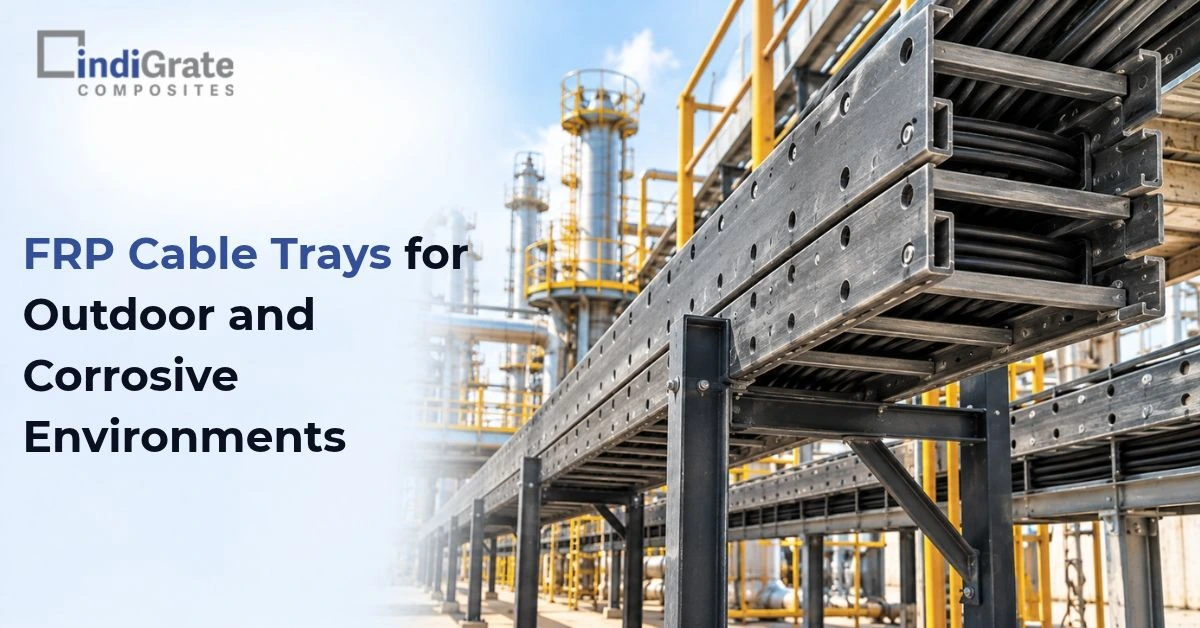
Outdoor industrial installations expose cable management systems to sunlight, rain, moisture, temperature fluctuations, and airborne contaminants. In chemical plants and coastal facilities, cables and their support systems may also face corrosive chemicals and salt-laden air. Selecting the right material is essential for long-term performance. FRP Cable Trays can be suitable for these environments because of their corrosion resistance and relatively low weight, provided their material specifications match the actual site conditions.
Why Are FRP Cable Trays Suitable for Outdoor Environments?
Outdoor cable trays must withstand changing weather conditions while supporting cables safely. Unlike unprotected steel, fibre-reinforced polymer (FRP) does not rust, making FRP Cable Trays a useful option for installations exposed to rain and moisture.
However, outdoor suitability depends on more than corrosion resistance. Buyers should verify ultraviolet (UV) resistance, operating temperature limits, mechanical strength, and weathering performance. Appropriate supports, fasteners, and installation practices are also important for maintaining system reliability.
How FRP Cable Trays Perform in Corrosive Environments?
FRP cable trays are designed to perform reliably in environments exposed to moisture, chemicals, saltwater, and harsh weather conditions. Unlike conventional metal cable trays, FRP Cable Trays do not rust, making them a suitable choice for chemical plants, marine facilities, wastewater treatment plants, and other corrosive industrial environments. Their corrosion resistance helps reduce maintenance requirements and supports long-term cable management performance.
1. Resistance to Chemical Exposure
Industrial facilities may expose cable support systems to acids, alkalis, chemical fumes, cleaning agents, and other corrosive substances. Properly specified FRP Cable Trays can resist many such environments, depending on the resin system, chemical concentration, temperature, and exposure duration. Chemical compatibility should always be confirmed before installation.
2. Protection Against Moisture and Salt-Laden Air
Coastal facilities, wastewater treatment plants, and humid industrial locations can accelerate corrosion in conventional metal cable trays. Suitable FRP products resist rust and may reduce the need for corrosion-related repairs. Their long-term suitability still depends on environmental exposure, product quality, and installation conditions.
3. Reduced Maintenance Requirements
Corrosion-resistant materials can reduce the need for rust removal and protective coating repairs. Nevertheless, regular inspections remain necessary to identify physical damage, loose connections, excessive loading, and deterioration caused by unsuitable environmental conditions.
Looking for cable management solutions for demanding environments? Contact us to discuss your FRP product requirements.
Where Are FRP Cable Trays Used?
Cable management systems in demanding industrial environments must withstand specific operating and environmental conditions. FRP Cable Trays can provide a suitable option for routing and supporting cables in applications such as:
- Chemical processing plants: Cable routing in areas exposed to compatible process chemicals and corrosive atmospheres.
- Coastal and marine facilities: Installations exposed to humid, salt-laden air.
- Water and wastewater treatment plants: Cable support systems in damp environments and around treatment infrastructure.
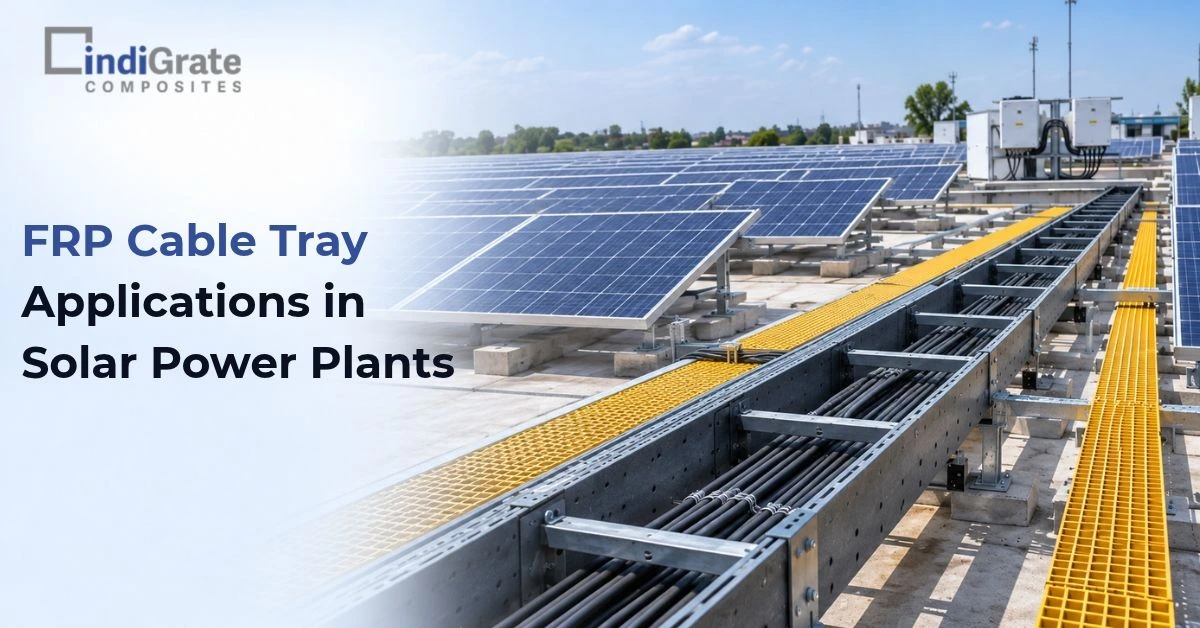
- Solar power installations: Outdoor cable routing where UV exposure, weather, and support design require consideration.
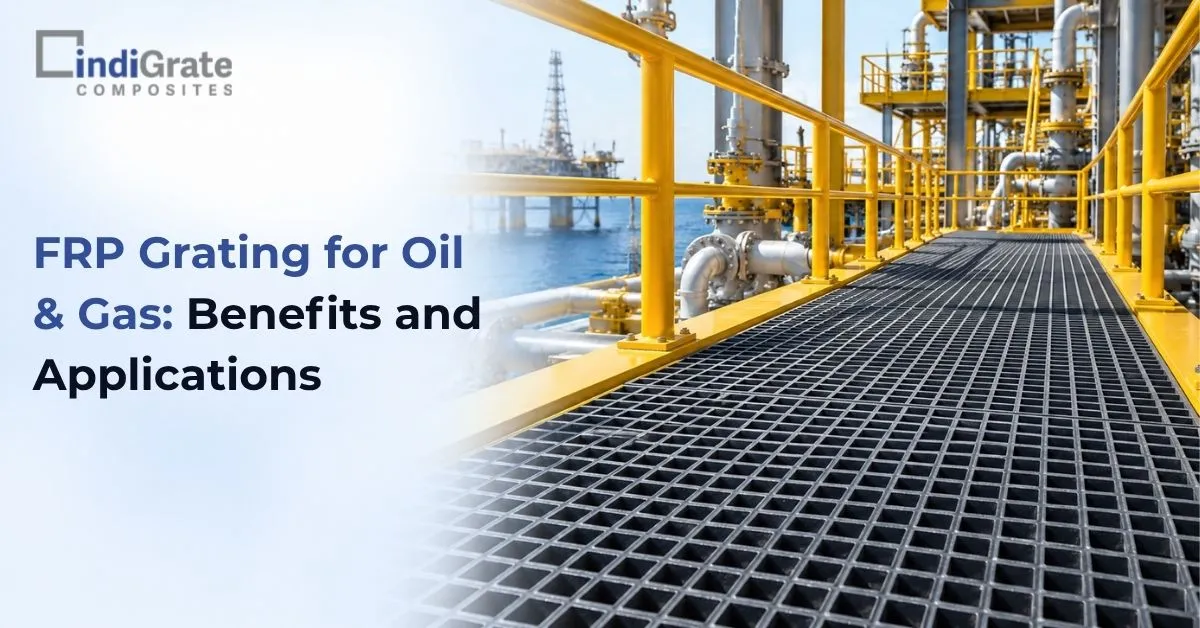
- Oil and gas facilities: Selected utility and process areas where material compatibility and site safety requirements are satisfied.
What to Check Before Selecting FRP Cable Trays?
Before purchasing FRP Cable Trays, industrial buyers should evaluate:
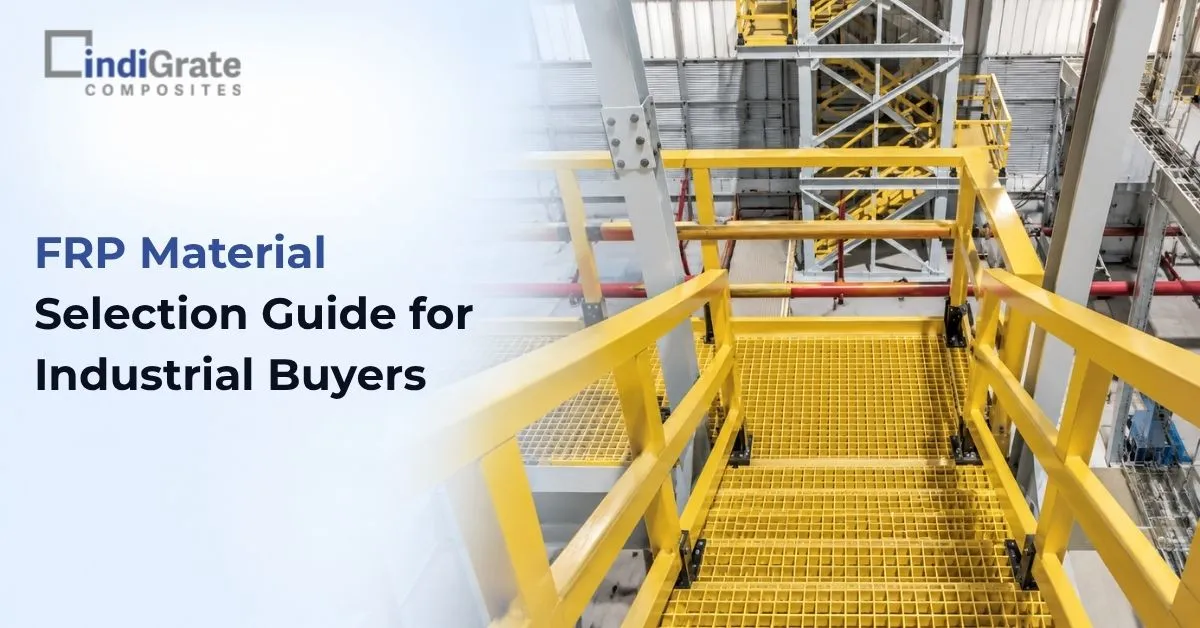
- UV and weather resistance: Confirm suitability for prolonged sunlight, rain, and temperature changes.
- Chemical compatibility: Check the resin system against the chemicals and concentrations present at the site.
- Load capacity: Verify cable weight, tray spans, support spacing, and applicable loading requirements.
- Installation design: Assess joints, brackets, fasteners, and support arrangements.
- Safety requirements: Review applicable electrical, fire-performance, and project-specific standards.
Frequently Asked Questions
Are FRP cable trays suitable for outdoor installations?
Yes. Suitable products can be used outdoors when their UV resistance, temperature limits, load capacity, and weathering performance meet project requirements.
Can FRP cable trays withstand chemical exposure?
They can resist many chemicals, but performance depends on the resin system, chemical concentration, temperature, and exposure duration.
Do FRP cable trays rust in humid environments?
FRP does not rust like steel. However, physical damage and unsuitable environmental conditions can still affect its performance.
Why are FRP cable trays used in coastal facilities?
Their corrosion resistance can be beneficial in salt-laden environments where conventional metal trays may require additional corrosion protection.
Do outdoor FRP cable trays require UV protection?
Some products may require UV-resistant formulations or protective measures. Buyers should verify the manufacturer’s specifications for prolonged outdoor exposure.
Conclusion
Outdoor and corrosive environments require cable management systems that can withstand changing weather, chemical exposure, and demanding operating conditions. FRP Cable Trays can be a practical choice when their UV resistance, chemical compatibility, load capacity, and structural specifications match site requirements. Evaluating these factors alongside installation and maintenance needs helps industrial buyers select a suitable cable management solution for reliable long-term performance.